- होम
- एम्स के बारे में
- विभाग और केन्द्र
- निविदाएं
- अपॉइंटमेंट
- अनुसंधान
- अनुसंधान उत्पादन एम्स
- रिसर्च धारा वेबसाइट
- AIIMS Research Publication Resository
- Research Submission
- Intellectual Property Rights and Technology Transfer Division
- Clinical Research Unit (CRU)
- Ethics Committee Registration
- CARE -(Centre for Advanced Research & Excellence in Neuromodulation)
- UMID (Unidentified Bodies & Missing Persons Identification Portal with DNA Database)
- पुस्तकालय
- आयोजन
- नोटिस
- रेसिडेंट कॉर्नर
- NIRF
- Attendance Dashboard
- Reservation Roster
Default Theme



अखिल भारतीय आयुर्विज्ञान संस्थान, नई दिल्ली
All India Institute Of Medical Sciences, New Delhi
All India Institute Of Medical Sciences, New Delhi
कॉल सेंटर: 011-26589142
पाठ्यक्रम
Chittaranjan Behera
- विवरण
- अंतिम बार अपडेट हुआ गुरुवार, 30 अप्रैल 2026 14:26
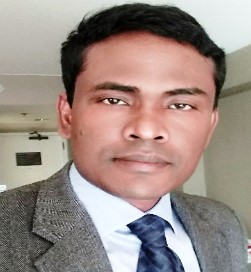
Dr. Chittaranjan Behera
MBBS, MD (AIIMS), FIMSA, FICFMT, MAMS
ICMR International Fellowship at Department Psychiatry and Neurobiology, UAB, USA
Professor
Faculty In-Charge, DNA Fingerprinting Laboratory
Department of Forensic Medicine & Toxicology,
All India Institute of Medical Sciences,
New Delhi-110029, India
Phone: 011-26594292
Email: यह ईमेल पता spambots से संरक्षित किया जा रहा है. आप जावास्क्रिप्ट यह देखने के सक्षम होना चाहिए. , यह ईमेल पता spambots से संरक्षित किया जा रहा है. आप जावास्क्रिप्ट यह देखने के सक्षम होना चाहिए.
Prof. Behera serves as the Faculty In-Charge of the DNA Laboratory at AIIMS, New Delhi. His key areas of expertise include suicide research, forensic genetics, epigenetics, psychological autopsy, development of DNA databases, and providing medico-legal expert opinions in complex cases referred by agencies such as the CBI, NHRC, NIA, Crime Branch, as well as matters directed by the High Courts and the Supreme Court of India.
He has been instrumental in developing India’s first DNA-based identification platform, the UMID (Unidentified Bodies, Missing Persons Identification Portal and DNA database) (https://umid-aiims.icmr.org.in/), designed to assist in the identification of unidentified bodies and missing persons in India. To support identification efforts, he has been working on developing genotype-to-geolocation approaches and DNA phenotyping models tailored for the Indian population.
Dr. Behera’s research is deeply focused on understanding suicide as a complex, multifactorial phenomenon. His work integrates genetic and epigenetic analyses, genome-wide studies, and biomarker discovery to identify biological underpinnings of suicidal behavior. He has adopted a highly interdisciplinary approach, combining forensic pathology, psychiatry, clinical psychology and molecular biology to generate comprehensive insights into suicide risk and prevention. He has received advanced international training in suicide biomarkers at the Department of Psychiatry and Behavioral Neurobiology, University of Alabama at Birmingham, USA, and is certified in psychological autopsy by the American Association of Suicidology, USA. These specialized trainings have strengthened his expertise in evaluating psychosocial and biological risk factors associated with suicide. He has been working on the development of a First Indian Database for the Understanding of Suicide (INDUS), which integrates a comprehensive ‘Brain biobank’ and other tissue bank along with detailed clinical data, psychological autopsy findings, suicide notes, and various phenotypic information.
Dr. Behera first coined the term ‘e-suicide note’ and his team’s multiple publications on suicide note analysis revealed distinct behavioral and personality profiles, offering forensic and preventive value. He has assembled one of the largest single-centre cohorts of suicide notes for suicide research. His investigations into psychosocial risk assessment, and postvention models for families have direct clinical implications by informing culturally tailored psychological interventions. He is ranked among the top 10 researchers in Southeast Asia in terms of contributions to suicide research publications.
Additionally, he has contributed to advancements molecular autopsy in cases of sudden and unexplained deaths, SUDEP and injury pattern analysis in intricate medico-legal investigations. Dr. Behera has also engaged in several national and international collaborative research projects, including prestigious NIMH-funded R01 grants, and has authored more than 250 publications in reputed scientific journals, thereby significantly advancing the fields of forensic medicine and suicide research both in India and internationally. He is the co-author two Text Book of Forensic Medicine & Toxicology.
Dr. Behera is a Fellow of the Indian Congress of Forensic Medicine and Toxicology and the International Medical Science Academy, and an elected member of the National Academy of Medical Sciences (MAMS). He holds memberships in several professional bodies, including the International Society of Psychiatric Genetics.
Beyond his academic and research accomplishments, Dr. Behera has been a member of several national committees, contributing to policy formulation on DNA data banking, postmortem systems, and medico-legal guidelines in India. He has also played a key role in numerous high-profile medico-legal investigations including the Nithari case, the Bilkis Bano case, the Balasore train accident, and various cases referred by the CBI—highlighting his expertise in forensic analysis and legal medicine.
Through his pioneering work in forensic medicine, suicide research, and DNA database, Dr. Chittaranjan Behera has significantly advanced the scientific, legal, and public health understanding of complex medico-legal issues in India and beyond.
BRIEF BIODATA- DR CHITTARANJAN BEHERAWorkshop on Innovation, Knowledge and Awareness in Virtual Autopsy at AIIMS, New Delhi
- विवरण
- अंतिम बार अपडेट हुआ गुरुवार, 14 नवम्बर 2024 10:20
Workshop on Innovation, Knowledge and Awareness in Virtual Autopsy at AIIMS, New Delhi
On successful establishment of Centre for Advanced Research and Excellence in Virtual Autopsy, a first of its kind and state of art centre in India and South- East Asia
23rd February, 2024
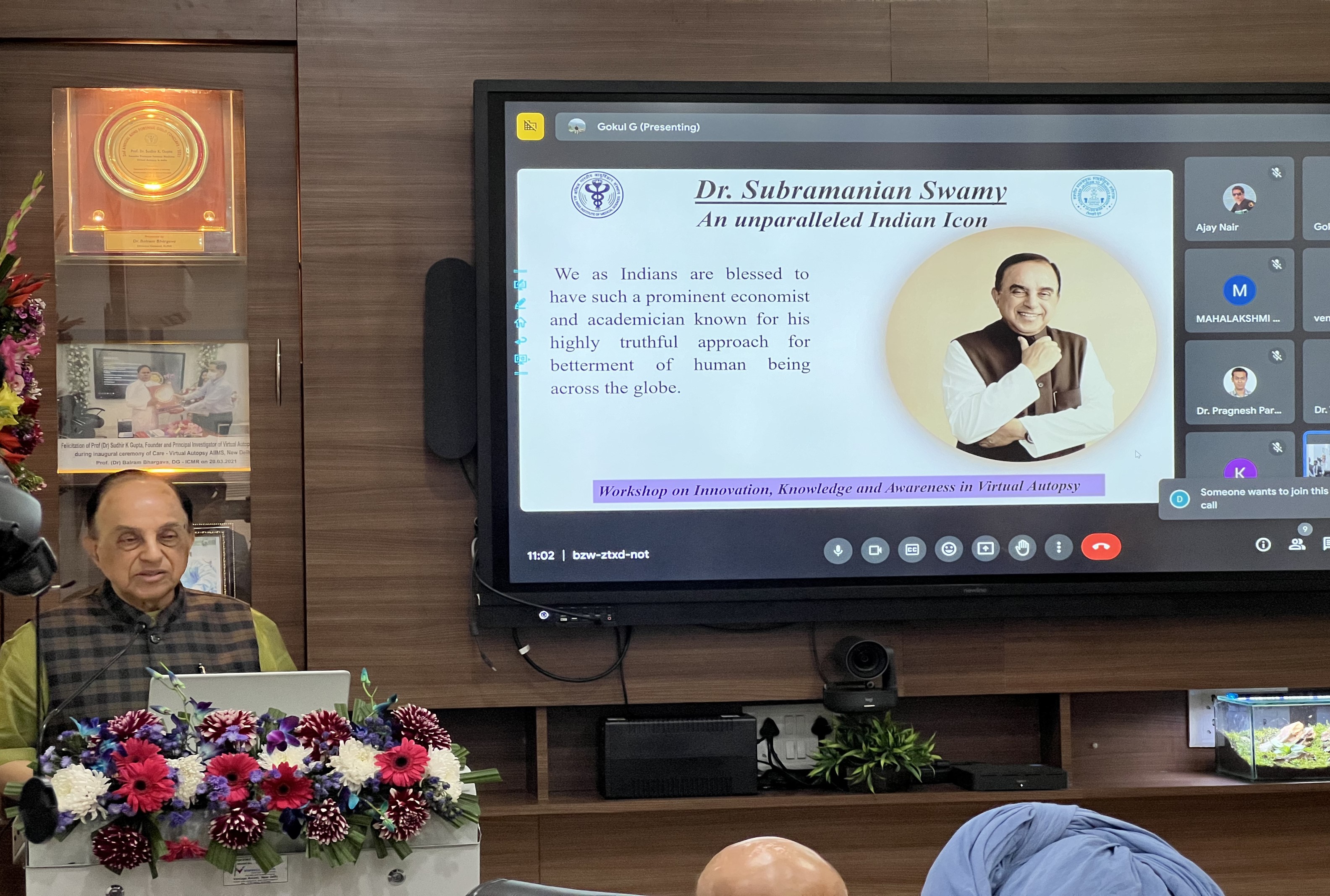
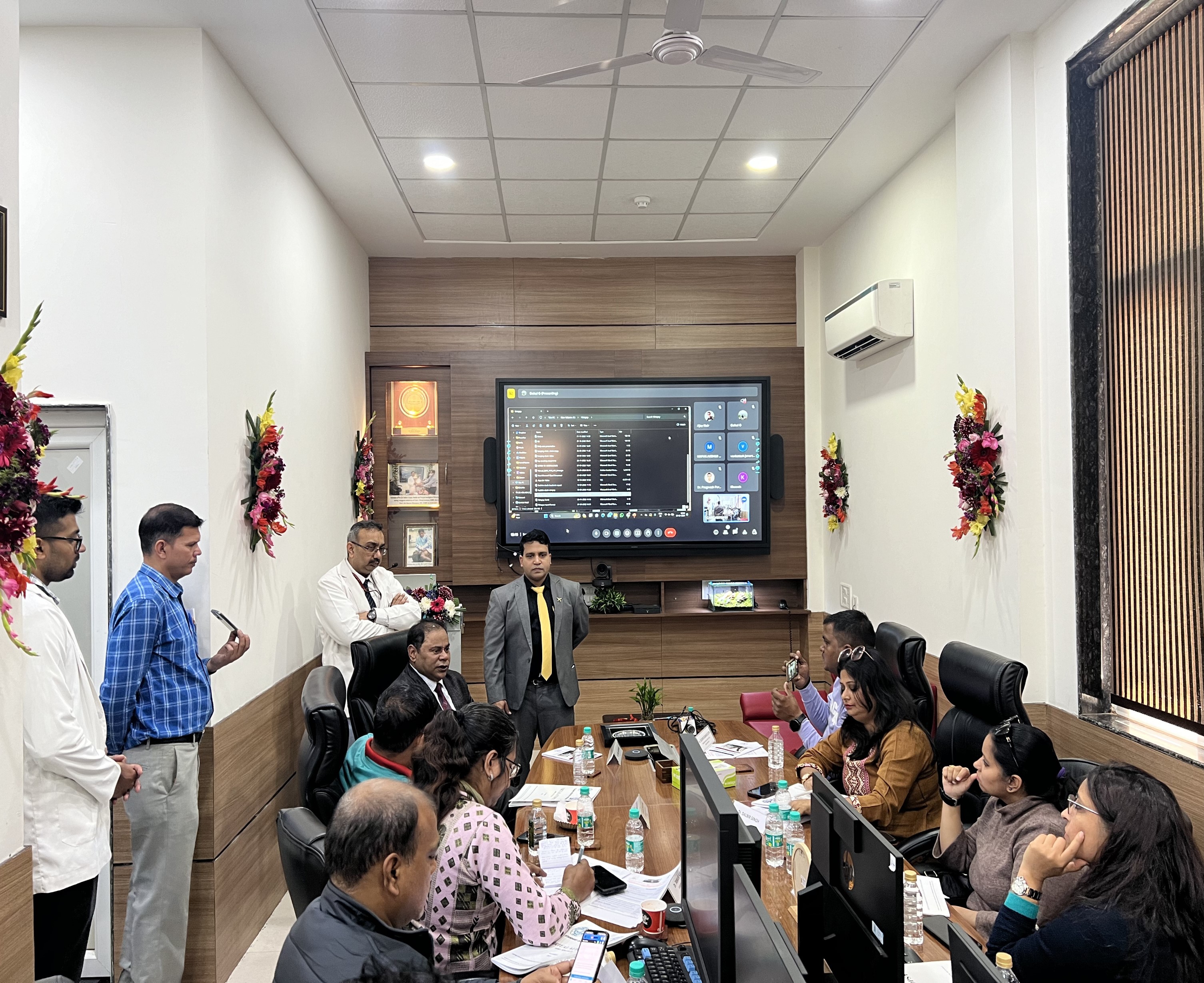
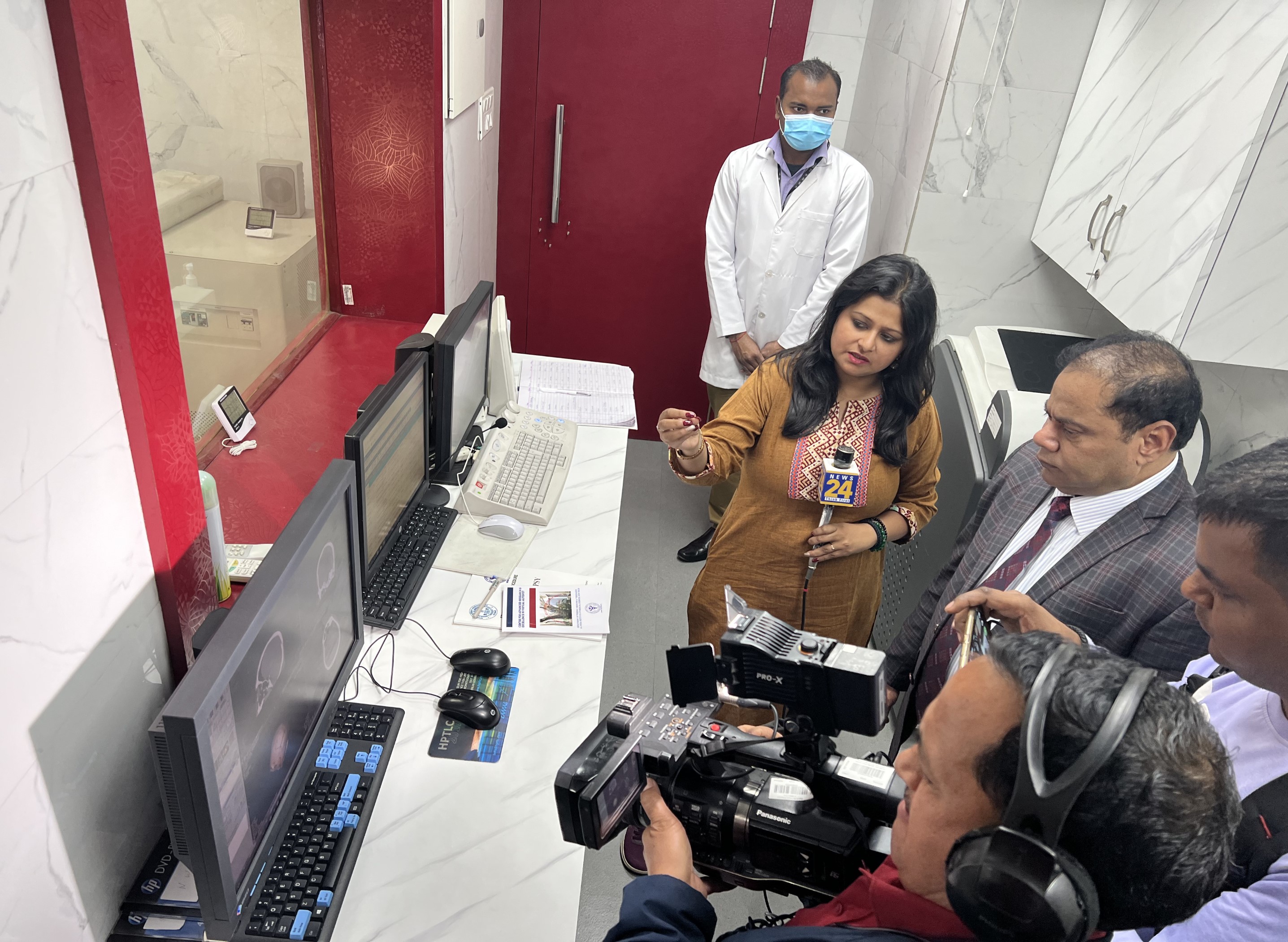
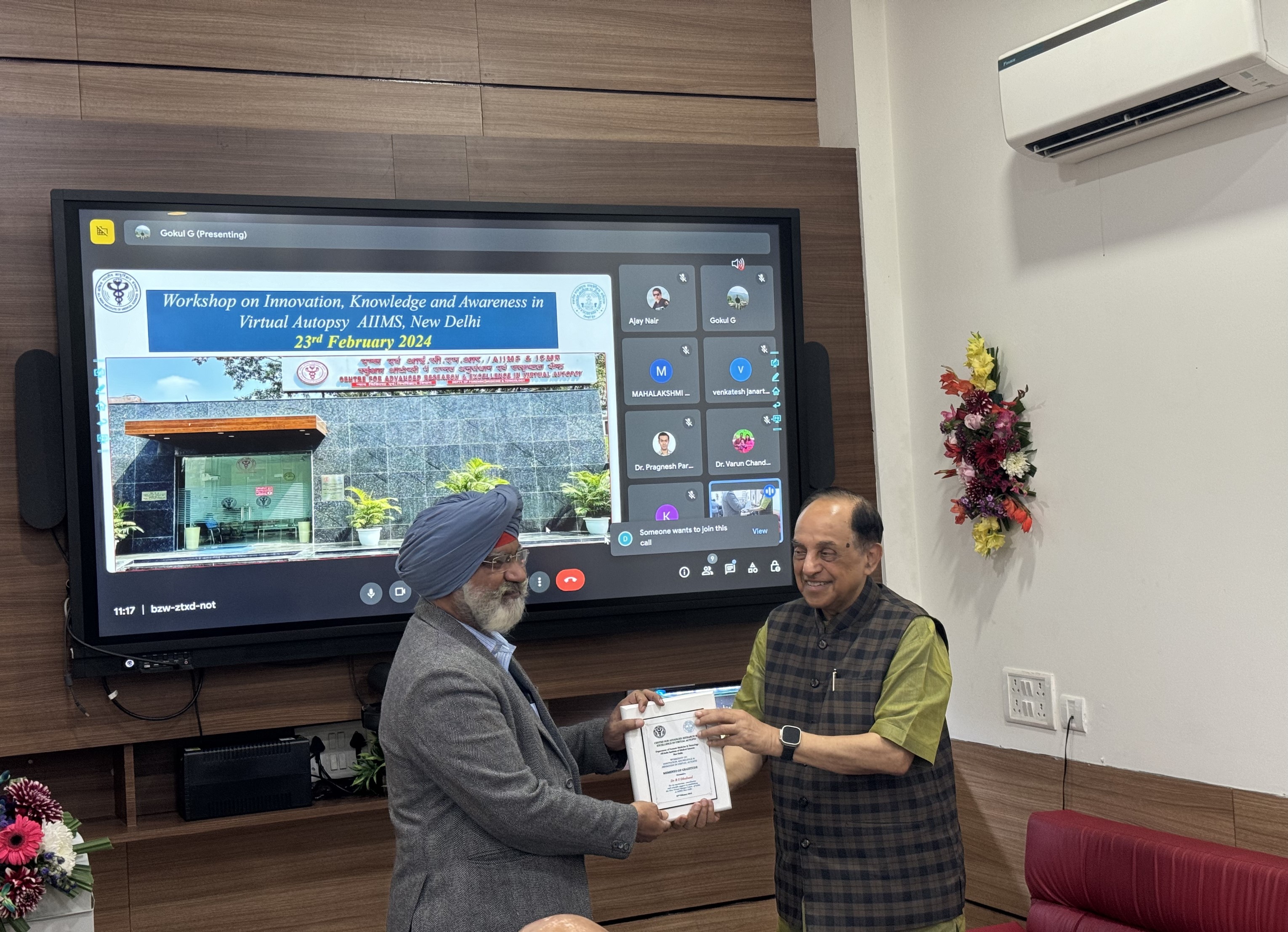
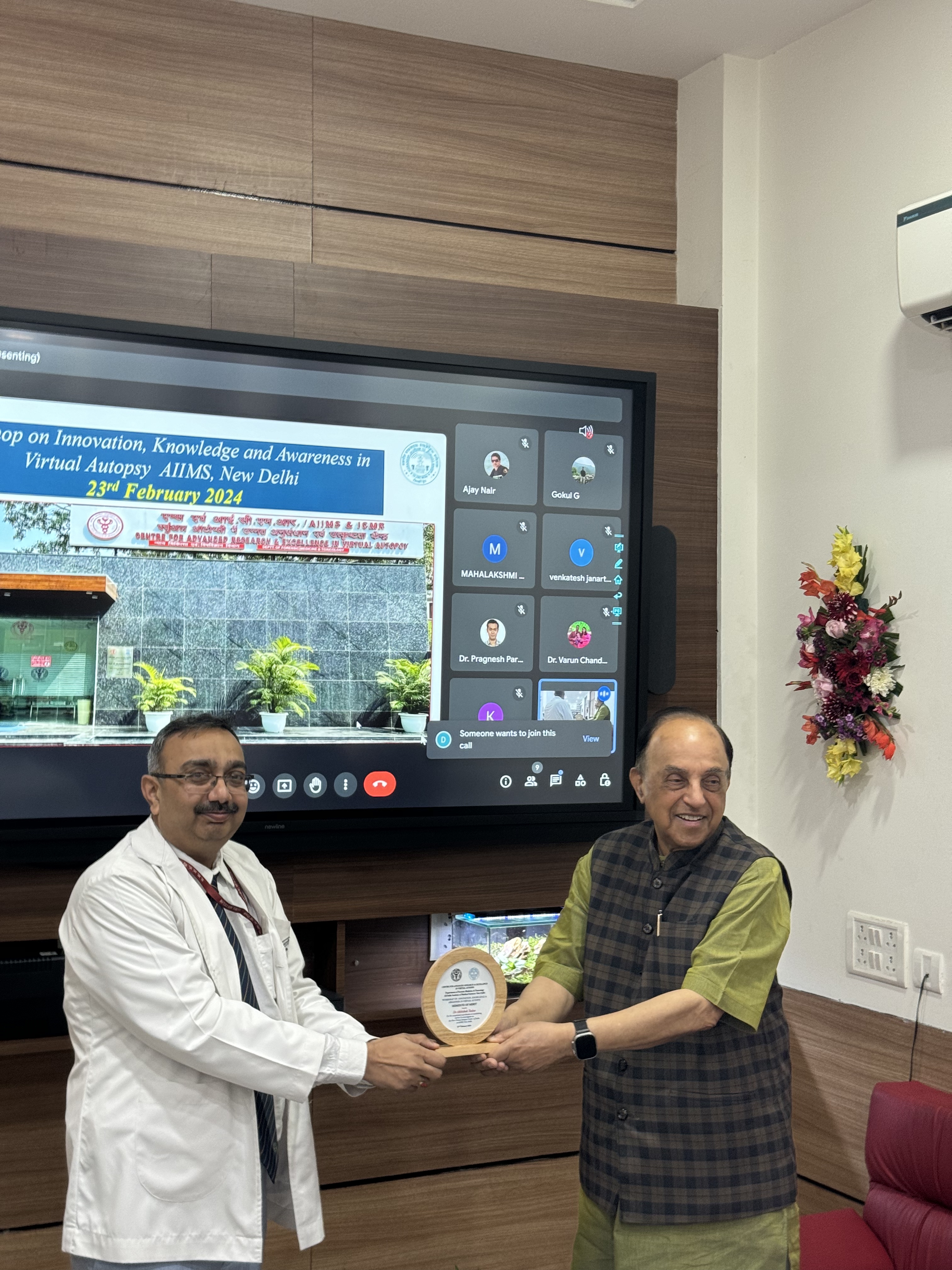
The workshop titled "Innovation, Knowledge, and Awareness in Virtual Autopsy" was a landmark event held at the prestigious Centre for Advanced Research and Excellence in Virtual Autopsy, AIIMS New Delhi, on February 23, 2024. Co-organized by the Department of Forensic Medicine and Toxicology, AIIMS New Delhi, and the ICMR Headquarters New Delhi, it brought together a diverse cohort of medical professionals. Participants included faculty members from various AIIMS branches, residents, staff from AIIMS New Delhi, and personnel from ICMR-New Delhi.
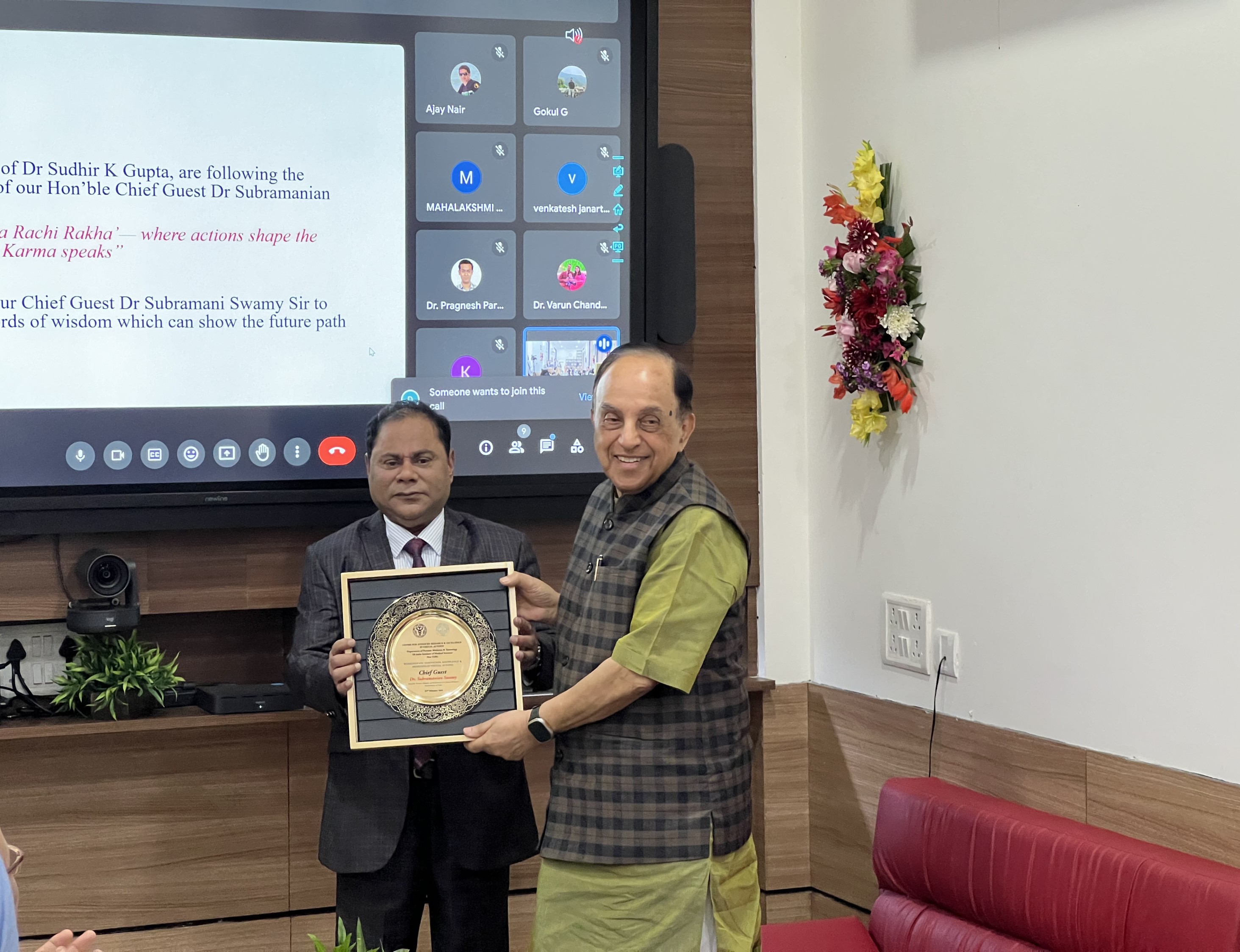
The esteemed presence of Chief Guest Shri Subramanian Swamy added to the significance of the occasion. Shri Subramanian Swamy not only attended the event but also honored principal Investigator Dr Sudhir kumar Gupta, Professor & Head, who played pivotal role in pioneering the establishment of Centre for Advanced Research and Excellence in Virtual Autopsy. The workshop offered a comprehensive insight into the journey of establishing CARE in virtual autopsy at AIIMS New Delhi. A significant milestone was achieved with the release of the first-of-its-kind Standard Operating Procedure (SOP) for virtual autopsy by the Department of Forensic Medicine, AIIMS. It celebrated the collective contributions of individuals and teams in pioneering this innovative field.
Various sessions during the workshop covered essential topics such as Postmortem CT (PMCT) fundamentals, advancements in dental estimation for age determination, and understanding decomposition changes and artifacts. Practical applications of virtual autopsy in diagnosing sudden unexplained deaths and road traffic accidents were also explored.Hands-on training sessions provided attendees with valuable experience in operating PMCT and digital X-ray equipment. The workshop further enriched participants with detailed case studies, including those on hemopericardium and asphyxia deaths.
The principal course resource faculty were:
-
Dr Sudhir Kumar Gupta, Professor & Head, Department of Forensic Medicine & Toxicology, AIIMS, New Delhi & Principal Investigator of Centre of Advanced Research and excellence in Virtual Autopsy.
-
Dr Abhishek Yadav, Additional Professor, Department of Forensic Medicine & Toxicology, AIIMS, New Delhi & Co-Investigator of Centre of Advanced Research and excellence in Virtual Autopsy.
-
Dr Kulbhushan Prasad, Additional Professor, Department of Forensic Medicine & Toxicology, AIIMS, New Delhi & Co-Investigator of Centre of Advanced Research and excellence in Virtual Autopsy.
-
Dr Amar Ranjan, Additional Professor, Department of Lab Oncology, AIIMS, New Delhi.
-
Dr Abilash S, Assistant Professor, Department of Forensic Medicine & Toxicology, AIIMS, New Delhi.
-
Dr Deepika Mishra, Additional Professor, Department of Oral Pathology, CDER, AIIMS, New Delhi.
-
Dr Varun Surya, Assistant Professor, Department of Oral Pathology, CDER, AIIMS, New Delhi.
-
Dr Ashish Bhute, Associate Professor, Department of Forensic Medicine & Toxicology, AIIMS, Rishikesh.
-
Dr Ravi Prakash, Associate Professor, Department of Forensic Medicine & Toxicology, AIIMS, Rishikesh.
-
Dr Karthi Vignesh Raj K, Assistant Professor, Department of Forensic Medicine & Toxicology, AIIMS, Guwahati.
|
|
|
|
|
|
|
|
|
- विवरण
- अंतिम बार अपडेट हुआ गुरुवार, 14 नवम्बर 2024 15:16
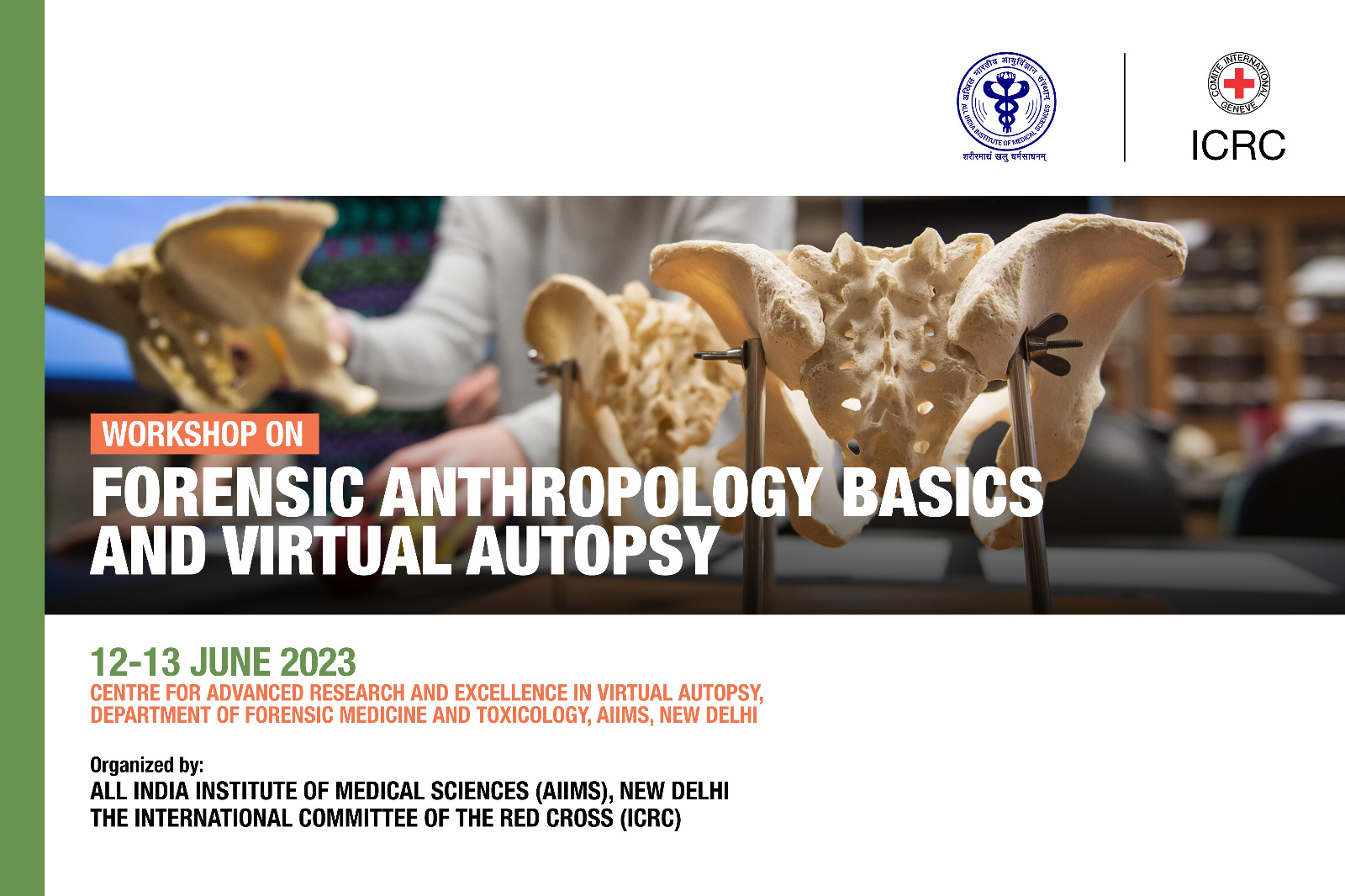
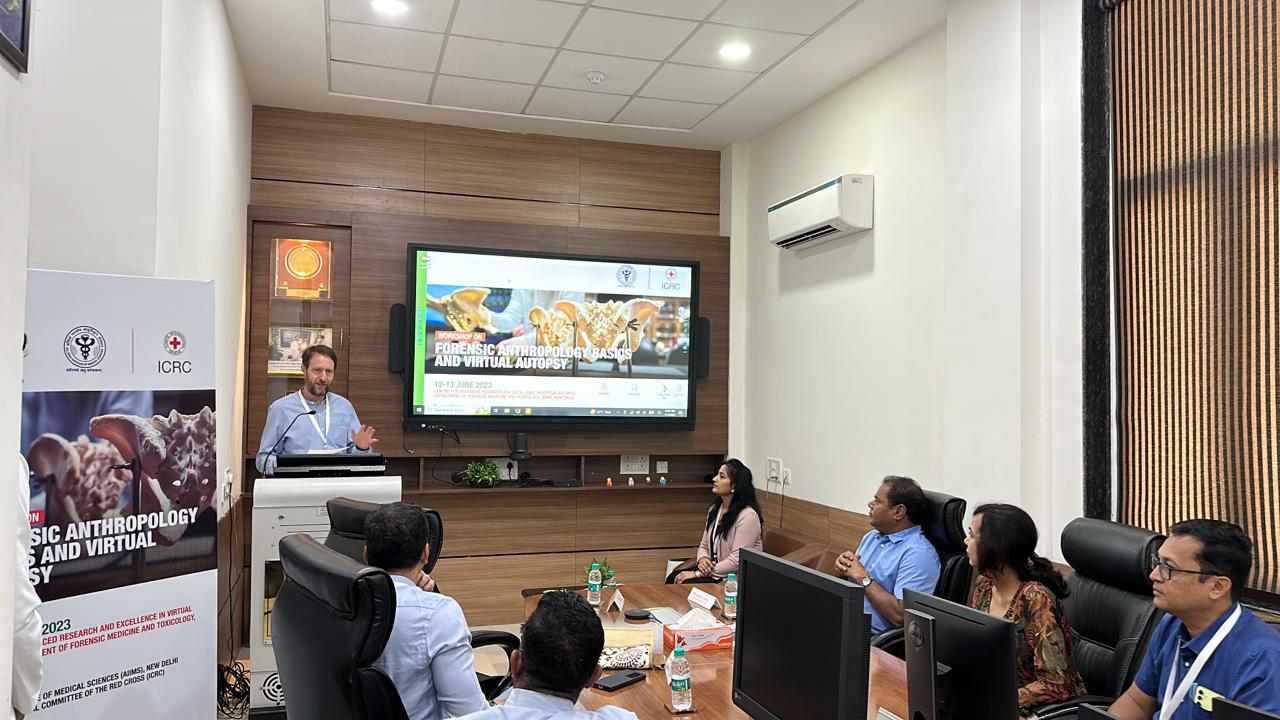
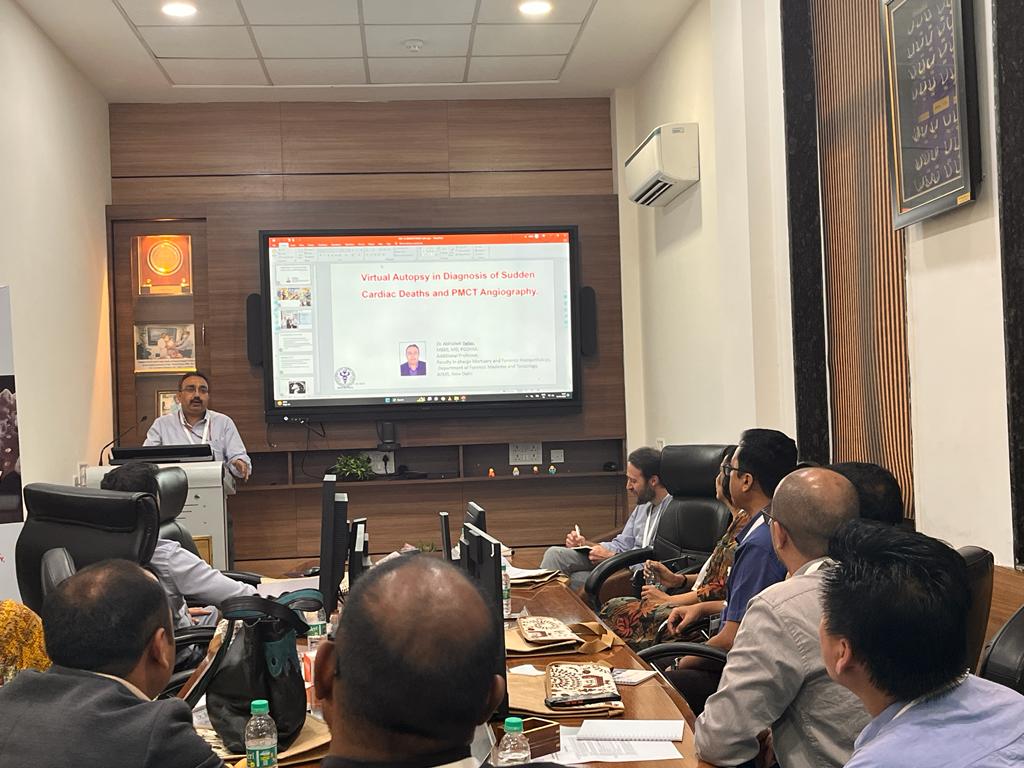
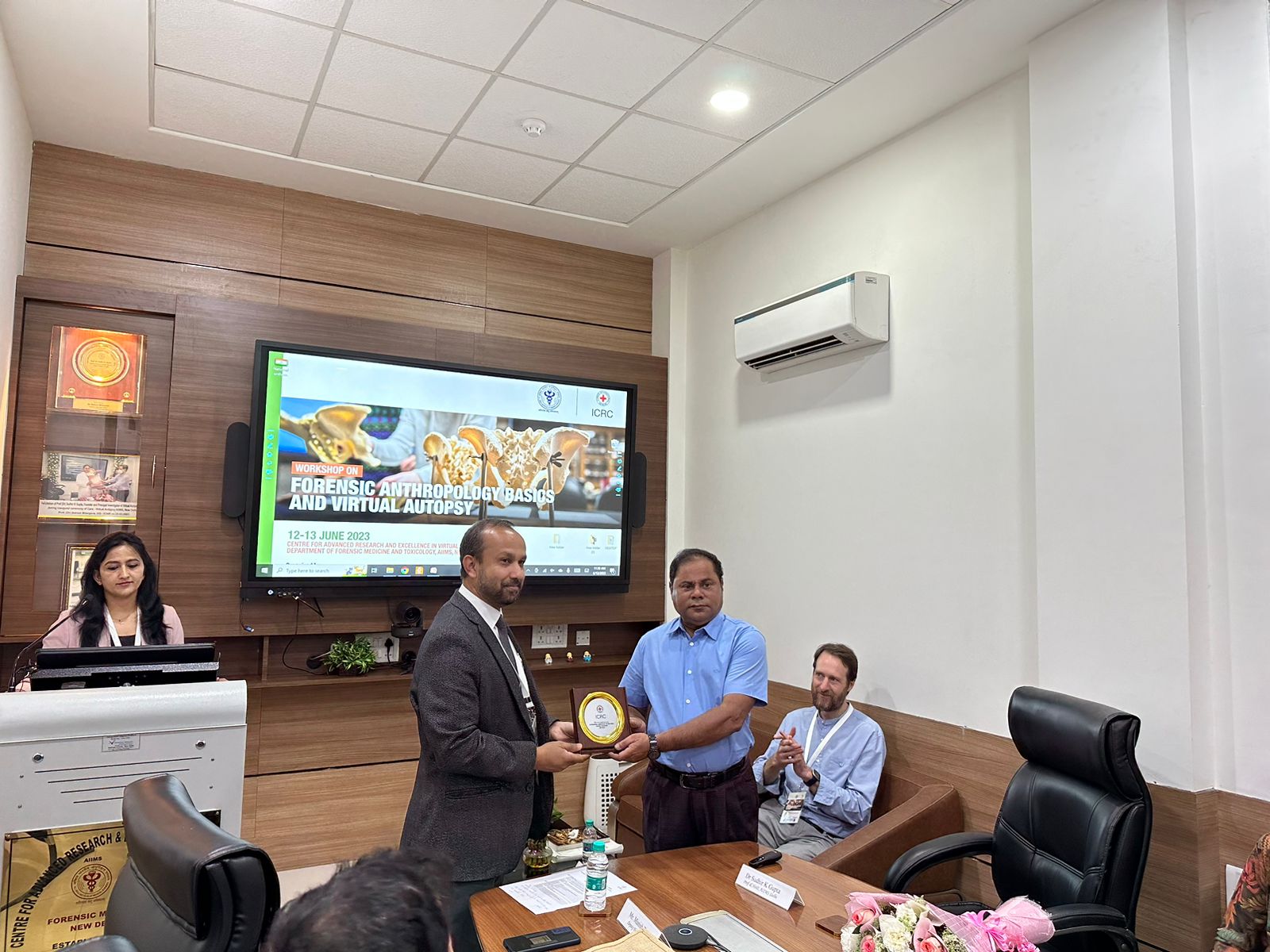
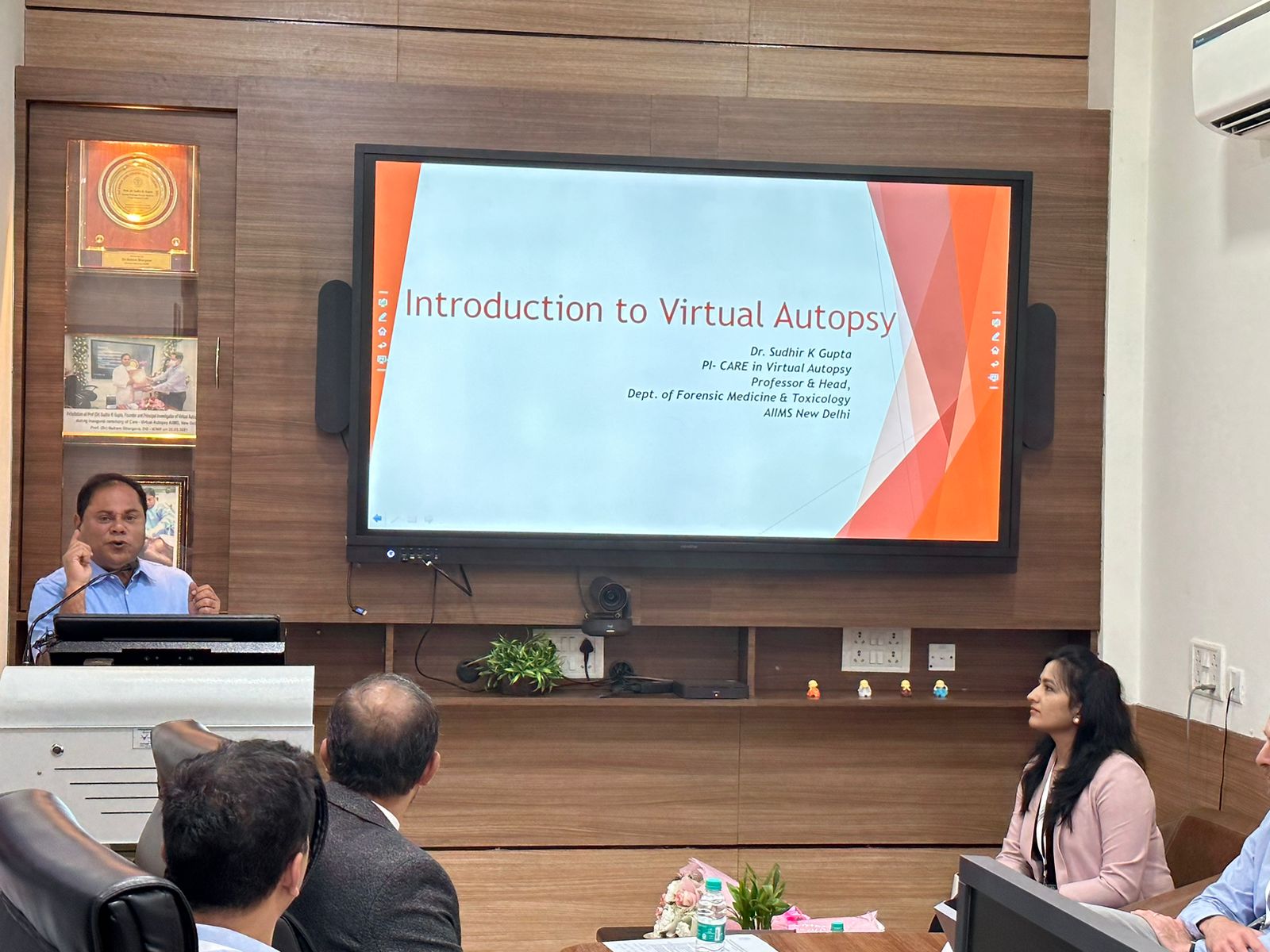
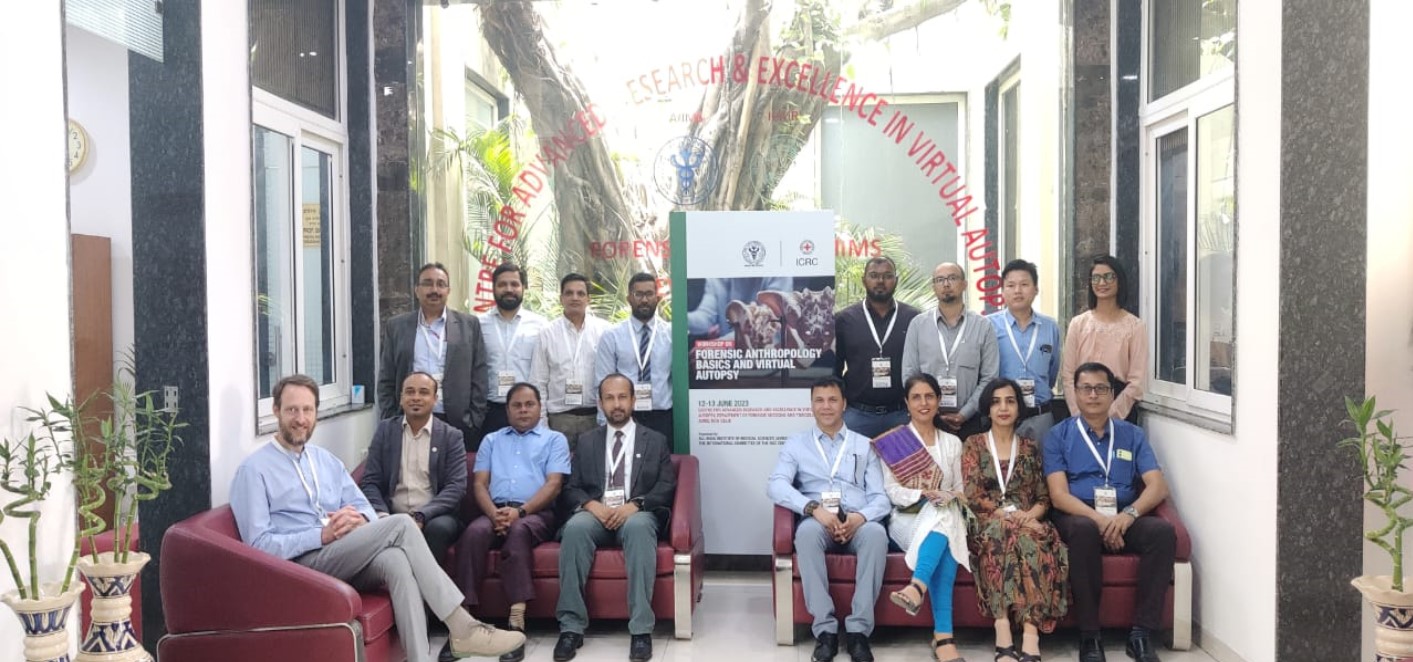
WORKSHOP ON FORENSIC ANTHROPOLOGY BASICS AND VIRTUAL AUTOPSY
12-13 June 2023
Department of Forensic Medicine and Toxicology, All India Institute of Medical Sciences, New Delhi organized a workshop on 12th and 13th June 2023 in Centre for Advanced Research and Excellence in Virtual Autopsy as a joint venture of AIIMS & International committee of Red Cross (ICRC), India on Virtual Autopsy and Forensic Anthropology. This workshop included lectures and practical exercises over two days on the topics related to Virtual Autopsy, basic elements of establishing a biological profile (sex, age, ancestry, stature) from the skeleton and assessing hard tissue injuries and other characteristics that might contribute to a positive identification. The principal course resource faculty were:
-
Dr Sudhir Kumar Gupta, Professor & Head, Department of Forensic Medicine & Toxicology, AIIMS, New Delhi & Principal Investigator of Centre of Advanced Research and excellence in Virtual Autopsy.
-
Dr Derek Congram, PhD, a forensic specialist for the International Committee of the Red Cross Regional Delegation for India, Nepal, Bhutan, and the Maldives and a board-certified forensic anthropologist with 23 years of experience in more than 20 countries.
-
Dr Abhishek Yadav, Additional Professor, Department of Forensic Medicine & Toxicology, AIIMS, New Delhi & Co-Investigator of Centre of Advanced Research and excellence in Virtual Autopsy.
-
Dr Abilash S, Assistant Professor, Department of Forensic Medicine & Toxicology, AIIMS, New Delhi.
-
Dr Karthi R Vighnesh, Senior Medical officer, Department of Forensic Medicine & Toxicology, AIIMS, New Delhi
The workshop was attended by delegates from all over India including JIPMER, PGI Chandigarh, AIIMS Bhopal, IIT Gandhi Nagar, AIIMS Rishikesh, RMl Lucknow as well as international delegates from Nepal, Bhutan and Maldives.
The event was coordinated by Dr Abhishek Yadav (Addl Prof), Dr Kulbhushan Prasad (Addl Prof), Dr Abilash S (Asst Prof) and Dr Swati Tyagi (Asst Prof).
 |
 |
 |
 |
 |
 |
- विवरण
- अंतिम बार अपडेट हुआ गुरुवार, 14 नवम्बर 2024 15:10
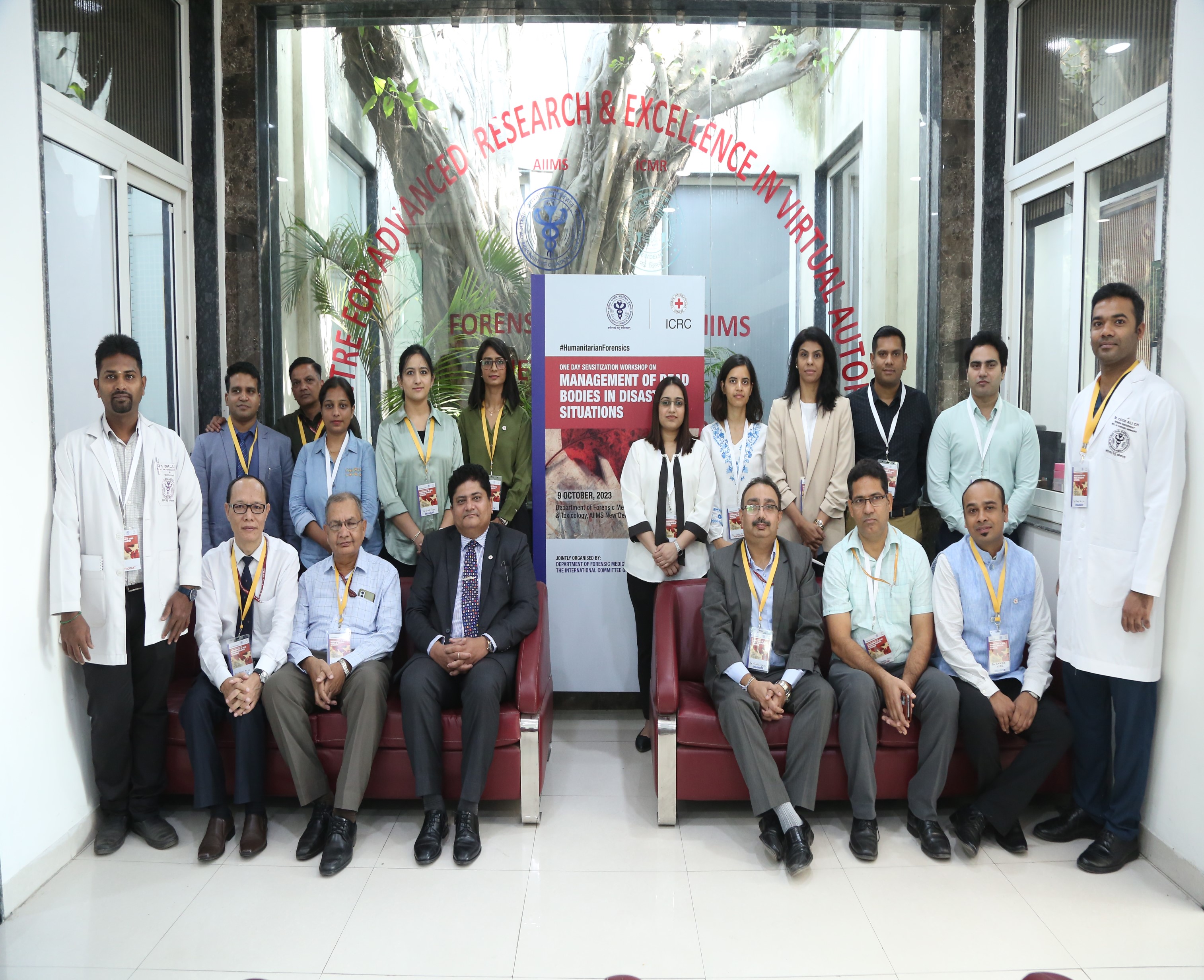
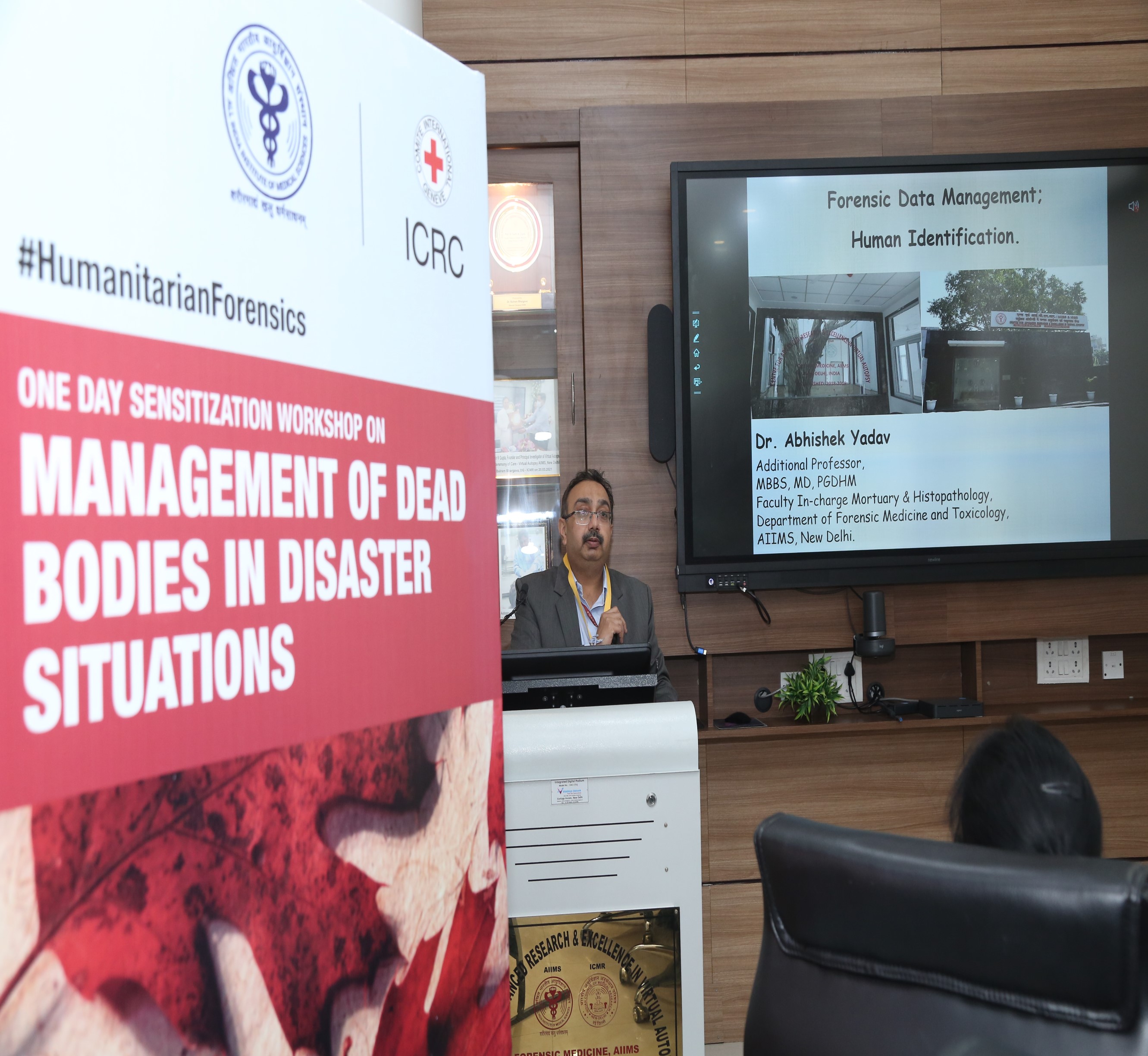
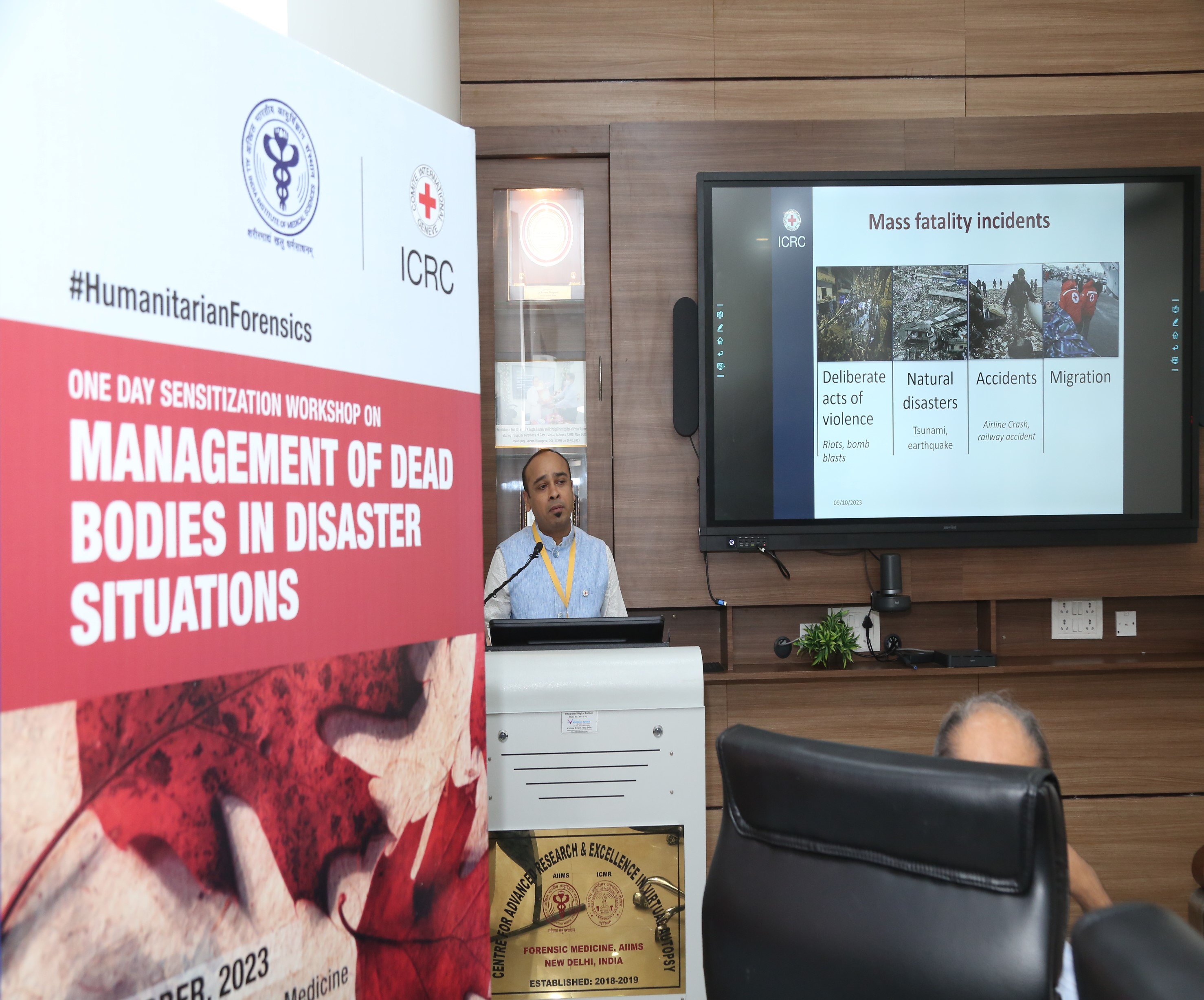
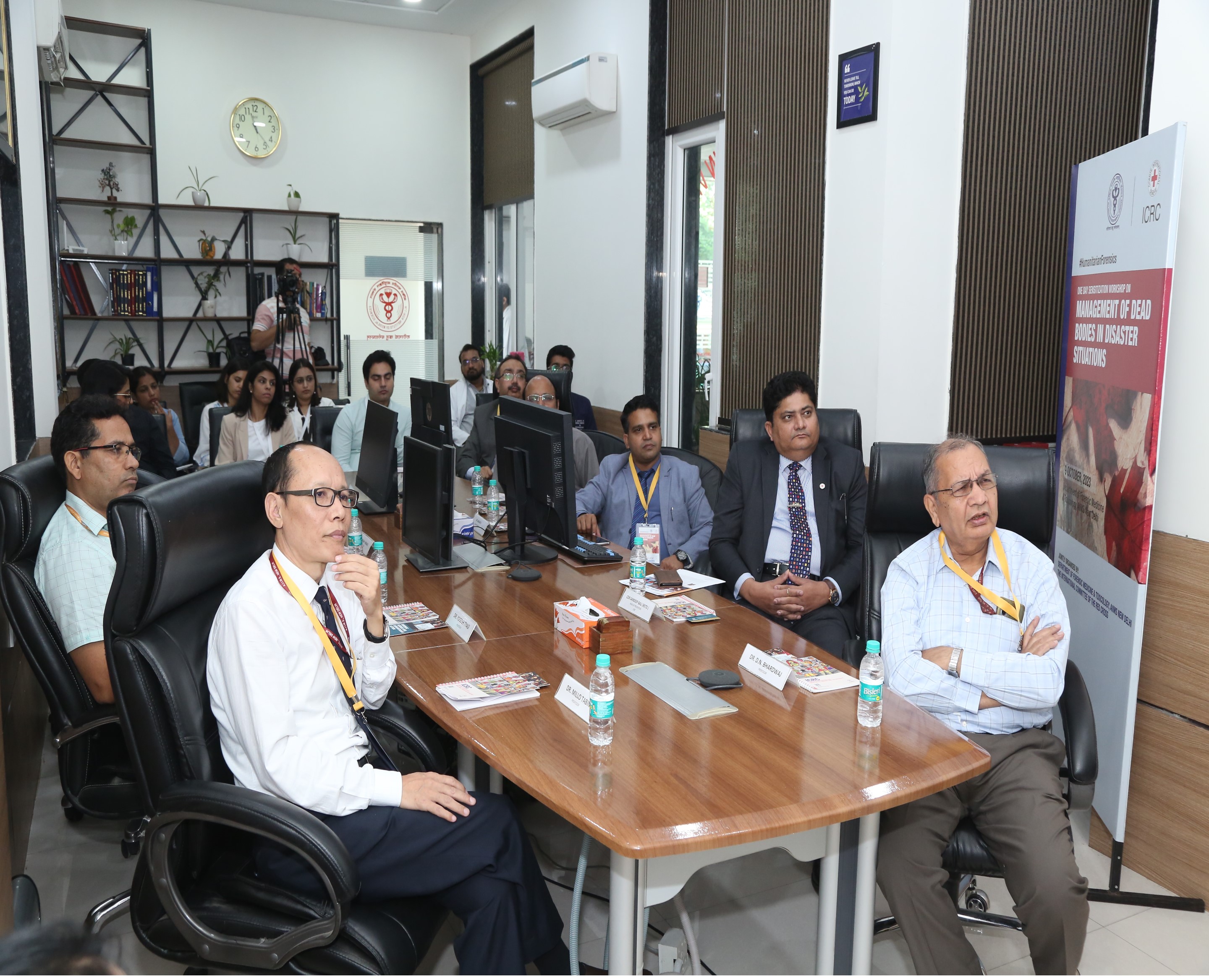
Sensitization Workshop on Management of Dead Bodies in Disaster SituationsMonday, October 9, 2023 Department of Forensic Medicine and Toxicology, All India Institute of Medical Sciences, New Delhi organized a workshop on 09th October 2023 in Centre for Advanced Research and Excellence in Virtual Autopsy as a with International committee of Red Cross (ICRC), India to sensitize the need for enhancing forensic human identification capacity in mass fatality incidents for forensic practitioners dealing with Management of Dead for better understanding of their role and responsibilities. The workshop was attended by delegates from different Medical colleges and Hospitals of Delhi The principal course resource faculty were:
|
|
 |
 |
 |
 |
- विवरण
- अंतिम बार अपडेट हुआ मंगलवार, 19 नवम्बर 2024 10:34
INAUGURATION OF CENTRE FOR ADVANCED RESEARCH AND EXCELLENCE IN VIRTUAL AUTOPSY
20th March 2021
Chief guest: Dr. Balram Bhragava, Director General, ICMR
Centre for advanced Research and Excellence in Virtual Autopsy has been established as a joint collaboration
The inaugural function began with national anthem followed by the welcoming of the chief guest by Dr. Sudhir Kumar Gupta, Prof & Head Dept. of Forensic Medicine AIIMS, New Delhi, followed by Lamp lighting ceremony commenced.
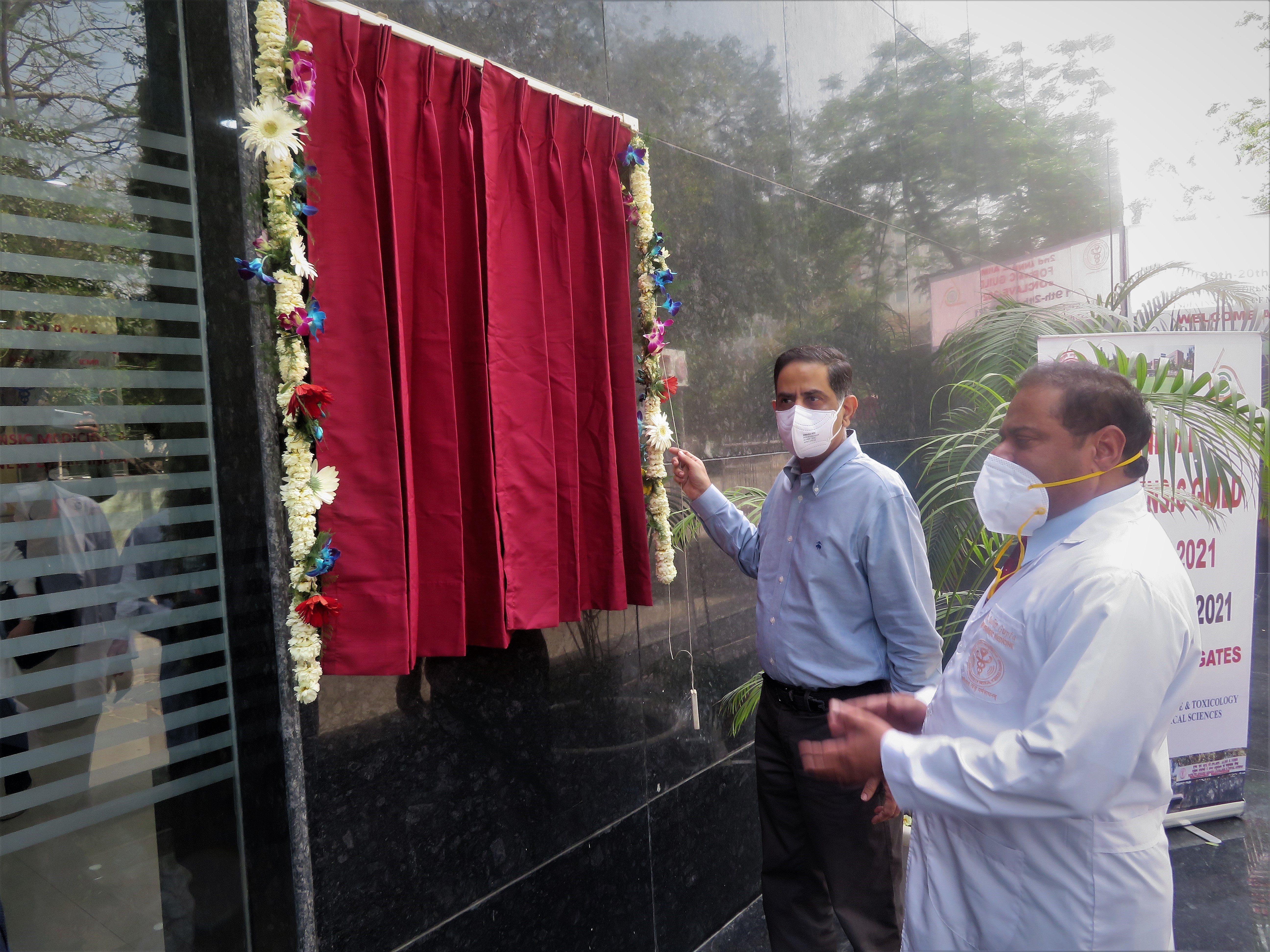
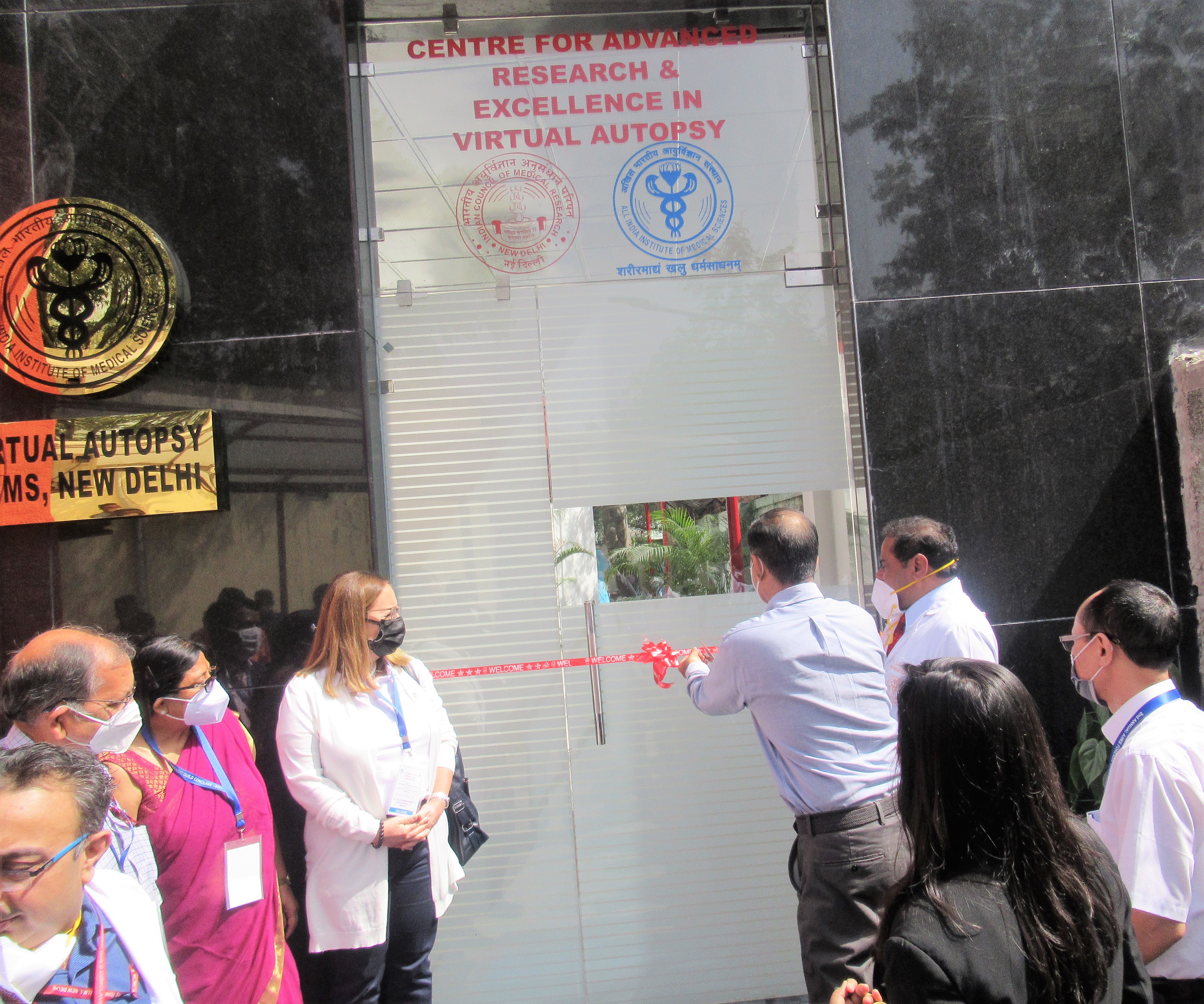
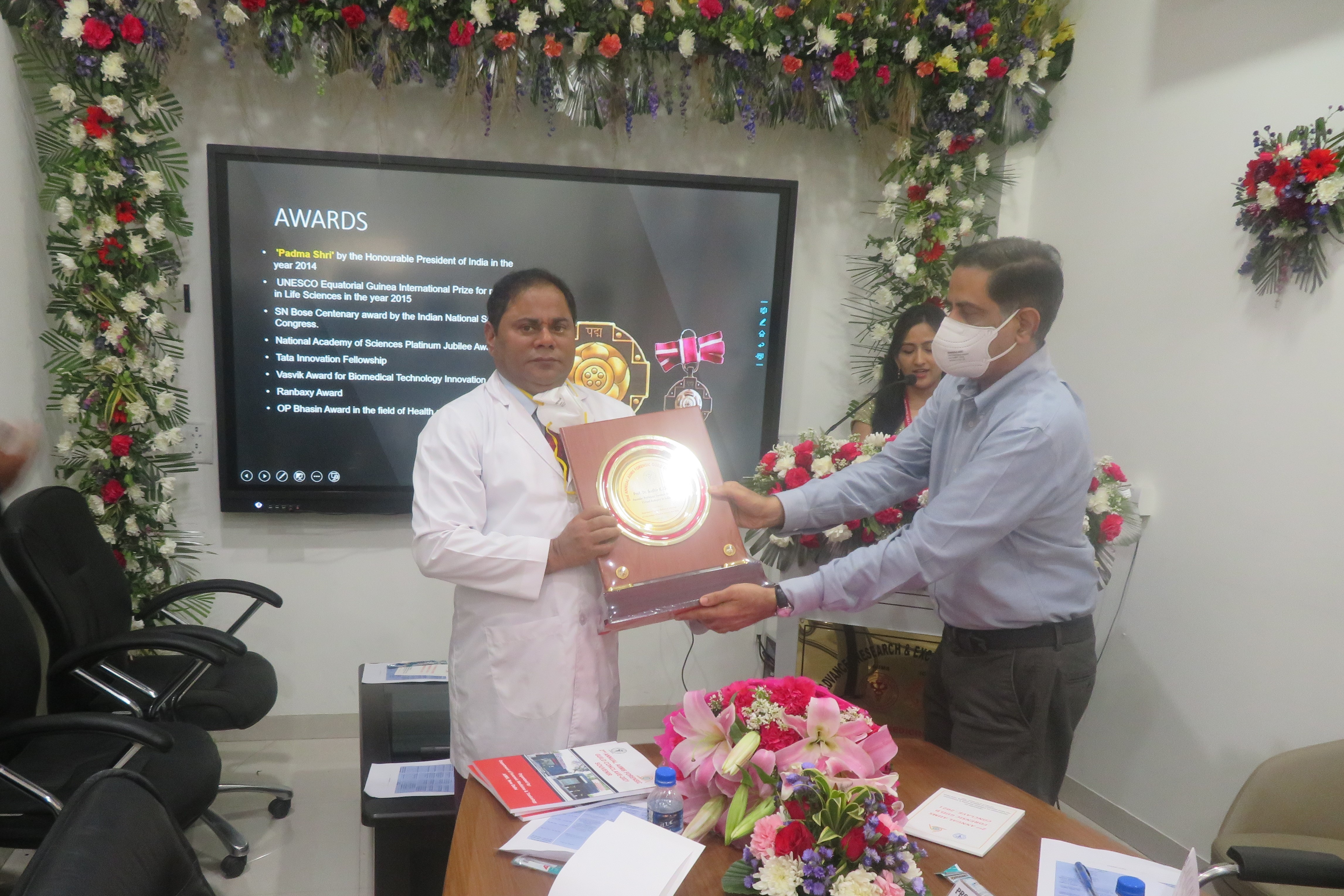
Formal inauguration of the first of its kind, the “Centre for advanced research and excellence in Virtual Autopsy Centre “was done by unveiling a plaque to mark the inauguration by Dr. Balram Bhargava and Dr. Sudhir Kumar Gupta. The event was graced by the presence of faculties of different AIIMS of the country who were taking part in the historic 2nd Annual AIIMS Forensic Guild Conclave, 2021. This was followed by traditional ribbon cutting and inauguration of the CT Scan complex. Dr. Balram Bhargava gave an inspiring and thought-provoking talk by emphasizing the need for innovations in forensic medicine as well as good working environment with all facilities. He presented the importance of death and also quoted the lines from the song, “Gambler” by Kenny Rogers where the gambler gives important tips for life to a young man. He also mentioned about death in sleep as the best death which was explained by the Chief Guest with opinions taken from the delegates, regarding the same.
Dr Balram Bhargava was then given a tour of the Centre for Advanced research and Excellence in Virtual Autopsy and adjoining renovated odouless Autopsy Mortuary Suite
 |
 |
 |
 |
हमसे संपर्क करें
अखिल भारतीय आयुर्विज्ञान संस्थान
अंसारी नगर, नई दिल्ली - 110029
+91-11-26588500 / 26588700
फैक्स: +91-11-26588663 / 26588641
एम्स में महत्वपूर्ण ई -मेल पते
महत्वपूर्ण लिंक
